

Registering a car in California is a vital process that ensures vehicle ownership rights, facilitates legal driving, and plays a crucial role in road safety. However, navigating the requirements and paperwork can be daunting for new owners. This comprehensive guide aims to demystify the process, offering clear, expert advice on every step. From gathering essential documents to utilizing reliable tools like the DMV VIN verifier, we’ll equip you with the knowledge to register your vehicle seamlessly, ensuring a smooth and stress-free experience.
- Gather Required Documents for Car Registration
- Prepare Your Vehicle's VIN (DMV Vin Verifier)
- Visit a California DMV Office or Use Online Services
- Pay the Registration Fees and Taxes
- Receive Your Car's Registration Certificate and Plate
Gather Required Documents for Car Registration

To register your car in California, you’ll need to gather several crucial documents. One of the essential steps before heading to the DMV is to ensure that all required paperwork is prepared. This process includes verifying the vehicle’s identification number (VIN). Utilize a trusted DMV VIN verifier or mobile VIN verification service to cross-check the data against the manufacturer’s records, ensuring accuracy and preventing potential issues later on.
For instance, you’ll need your car’s title, which establishes ownership. Additionally, a valid driver’s license and proof of insurance are mandatory. If you’re transferring registration from another state, bring along the current registration documents. It’s also important to have the vehicle’s security system codes if applicable, as these may be required for certain types of cars.
Consider taking advantage of mobile VIN inspection tools for added convenience. These services can perform a remote check of your car’s history, including accident reports and outstanding recalls, saving you time compared to traditional methods. Ensure that all documents are up-to-date and meet the California DMV’s specifications to streamline the registration process.
Prepare Your Vehicle's VIN (DMV Vin Verifier)

Before you can register your car in California, it’s crucial to ensure your vehicle meets all legal requirements, starting with a thorough Vehicle Identification Number (VIN) inspection. The DMV Vin Verifier plays a key role in this process, as it allows for an accurate and official verification of your car’s VIN. This step is often overlooked but is essential to avoid any future legal issues or registration denials.
A VIN inspection involves using a trusted tool like a mobile VIN verifier—an application that provides real-time data validation. By entering your VIN into this verifier, you gain instant access to detailed information about your vehicle’s history, including its original manufacturer, model year, and production details. This data is crucial for verifying the authenticity of your car and ensuring it meets California’s registration standards. For instance, a quick online check might reveal any reported accidents or outstanding recalls, both of which could hinder your registration efforts.
It’s recommended to utilize a mobile VIN inspection tool early in the registration process. Many such applications are available, offering convenient access to this critical service. By verifying your VIN before proceeding with registration, you save time and effort by avoiding potential delays at the California DMV offices. This proactive step ensures a smoother experience throughout the entire car registration process.
Visit a California DMV Office or Use Online Services
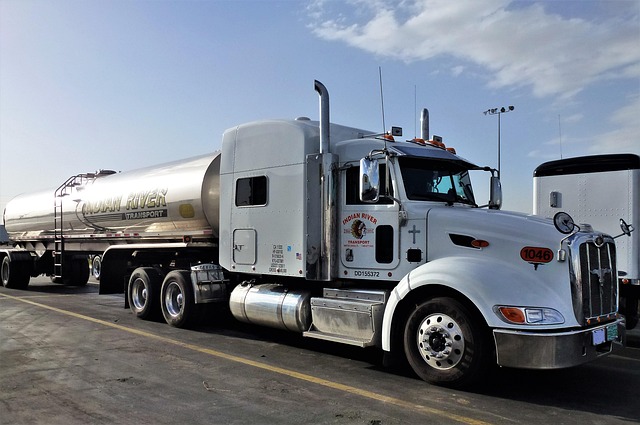
Registering a car in California involves a straightforward process, whether you choose to visit a DMV office or utilize online services. For those opting to go in-person, California’s Department of Motor Vehicles (DMV) offers a swift and efficient registration experience. Upon arrival, you’ll need to present your vehicle’s necessary documents, including proof of ownership and identification. DMV staff will then guide you through the registration process, which includes verifying the Vehicle Identification Number (VIN) of your car. This critical step ensures the vehicle’s history is accurately recorded, and any potential issues are identified. A simple VIN inspection can reveal valuable information about a car’s past, including its original owner and any reported accidents.
Alternatively, California’s DMV provides online registration services, making the process even more accessible. Using the DMV’s website, you can input your vehicle’s details, including its VIN, to initiate the registration. This digital approach is particularly beneficial for those with busy schedules or who prefer the convenience of remote transactions. Moreover, mobile vin verifiers and inspection apps can further simplify the process, allowing you to conduct a VIN inspection from the comfort of your home or on the go. These apps often provide real-time data, offering a quick and accurate snapshot of a vehicle’s history.
To ensure a seamless experience, it’s advisable to gather all necessary documents before beginning. This preparation includes the vehicle’s title, registration papers, and a valid driver’s license. Additionally, having a mobile vin verifier at your disposal can save time and reduce potential errors during the registration process. Whether you choose the traditional DMV visit or the digital route, proper VIN inspection and documentation are paramount to a successful car registration in California.
Pay the Registration Fees and Taxes

Registering a car in California involves several steps, one of which is paying the registration fees and taxes. The California Department of Motor Vehicles (DMV) requires owners to pay both state and local fees. These costs vary based on factors like the vehicle’s age, make, model, and fuel type. For example, as of recent data, the base fee for a new or transferred registration is $54, while older vehicles may incur additional charges.
One crucial aspect to consider is utilizing a DMV Vin Verifier to ensure accuracy in your vehicle’s identification number (VIN) during the registration process. This can be done through a mobile vin inspection service, which allows you to verify the VIN remotely before submitting your registration. By employing a mobile vin verifier, you streamline the initial verification step, making the entire registration experience more efficient. It’s worth noting that some counties in California offer online registration, further simplifying the process and potentially reducing fees.
Taxes play a significant role in the overall cost. Sales tax on vehicles varies across the state, typically ranging from 6% to 7.25%. Additionally, there may be special taxes for certain types of vehicles, like electric or luxury cars. It’s important to understand these varying rates and their impact on your registration expenses. For instance, if you’re registering an electric vehicle, there might be a clean energy vehicle fee in addition to the standard taxes.
To optimize costs, consider paying attention to local fees and exploring any available exemptions or discounts. Some cities or counties offer reduced registration for low-income residents or veterans. Furthermore, staying informed about the latest DMV policies and guidelines ensures you’re aware of any changes in registration procedures or fee structures. This proactive approach can save you time and money in the long run.
Receive Your Car's Registration Certificate and Plate
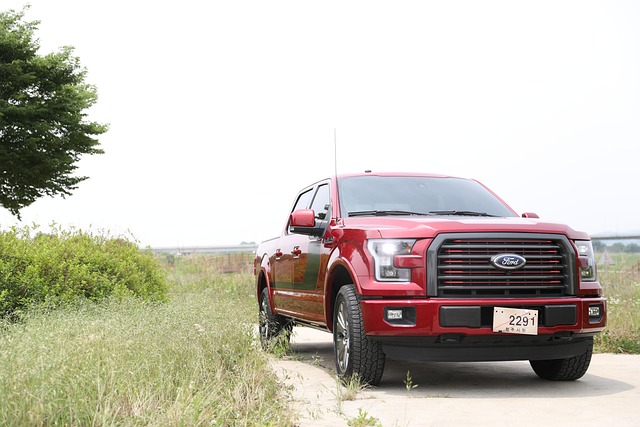
After completing your car’s registration application at the California DMV or through their online services, the next step is to receive your vehicle’s Registration Certificate and license plate. This critical phase signifies that your car has met all necessary legal requirements and is now officially registered in the Golden State. The process involves a thorough verification of your vehicle’s identification number (VIN) to ensure authenticity and prevent fraud. For instance, the DMV uses advanced VIN inspection tools to cross-reference data against their extensive database, confirming the car’s make, model, year, and history.
To streamline this phase, many California residents opt for convenient mobile VIN verification services. These innovative solutions allow you to complete a VIN inspection from the comfort of your home or workplace. A professional will visit you, perform a comprehensive check using their specialized equipment, and provide immediate feedback. This approach is particularly beneficial for busy individuals who may not have the time to visit a DMV field office. Moreover, mobile services can be faster than traditional methods, as they eliminate waiting times often associated with in-person visits.
Once your VIN has been successfully verified, you will receive your Registration Certificate and license plate in the mail within a few weeks. It’s crucial to keep these documents secure and readily accessible for future reference. As part of California’s registration process, you must also display your license plate on your vehicle at all times when driven on public roads. This final step completes the formalities, ensuring your car is legally registered and ready to hit the California highways.
Registering a car in California involves several straightforward steps, from gathering essential documents to receiving your vehicle’s registration certificate and plates. Key insights include preparing your Vehicle Identification Number (VIN) using a DMV Vin Verifier, visiting a local DMV office or utilizing online services, paying the corresponding fees and taxes, and finally, securing your car’s official registration. This process ensures legal compliance and offers peace of mind for California drivers, making it crucial to follow these well-defined procedures. By adhering to these steps and leveraging tools like the DMV Vin Verifier, you can efficiently navigate the car registration process, ensuring your vehicle is properly documented and ready to hit the road.