

Looking to register your car in California? This comprehensive guide walks you through the process step by step. From preparing essential documents to visiting your local DMV office, you’ll learn how to navigate the registration process efficiently. Key steps include performing a DMV VIN verification and completing the vehicle registration application. Discover everything you need to know to secure your car’s registration smoothly and quickly.
- Prepare Required Documents for Car Registration
- Visit Your Local California DMV Office
- Perform VIN Verification Step-by-Step
- Complete Vehicle Registration Application
- Pay Car Registration Fees and Receive Plate
Prepare Required Documents for Car Registration

Before you begin the registration process, ensure you gather all the necessary documents for car registration in California. The key document is the Vehicle Identification Number (VIN) verification, which can be completed through a visit to your local Department of Motor Vehicles (DMV) or with a mobile vin verifier service. This step is crucial as it confirms the vehicle’s history and ensures it complies with safety standards.
Along with VIN verification, you’ll need proof of insurance, vehicle ownership, and identification. It’s recommended to check the DMV’s website for an up-to-date list of required documents to avoid any delays during registration. Additionally, if your car is a used purchase, you might require additional forms related to the sale and previous ownership history, such as a Bill of Sale or a Notarized Affidavit.
Visit Your Local California DMV Office

To begin the registration process for your car in California, start by visiting your local DMV office. This is a crucial step as it allows you to interact with officials who can guide you through the requirements specific to your area. The DMV will offer various services, including vehicle registration, license plate issuance, and essential verifications like a DMV VIN verification. This process involves cross-referencing the Vehicle Identification Number (VIN) of your car against their records to ensure it’s not stolen or has any outstanding issues.
While at the DMV, you may also opt for a mobile vin inspection or mobile vin verification service if available in your region. These services bring the verification process directly to you, ensuring convenience and potentially saving time. Whichever method you choose, proper vin inspection is an integral part of the registration, helping to maintain California’s vehicle record integrity.
Perform VIN Verification Step-by-Step

Performing a Vehicle Identification Number (VIN) verification is a crucial step in the car registration process in California. This procedure ensures that your vehicle’s details match the information on record with the Department of Motor Vehicles (DMV). Here’s a simple, step-by-step guide to help you navigate this process:
1. Obtain Your Vehicle’s VIN: Start by locating your car’s unique VIN, typically found on the vehicle’s certificate of sale or title document. If you have recently purchased the car, these documents should be readily available. For older vehicles or if you need a mobile vin verification, many services offer digital checks through apps or online platforms that can quickly pull up this information.
2. Visit the DMV Website: Access the official California DMV website, where you’ll find resources to assist with VIN verification. They provide guidelines and tools for checking your vehicle’s history, ensuring it complies with state regulations. Use their search function to enter your VIN, which will generate a report detailing any previous owners, accidents, or issues related to the car’s identity.
3. Compare and Verify: Cross-check the information provided by the DMV against your own records and the vehicle’s documents. Ensure that all details align perfectly. If discrepancies are found, it may indicate potential issues, and you might need further clarification from the previous owner or a mobile vin inspector to resolve these differences during registration.
4. Complete Registration: Once your VIN verification is successful, proceed with completing the California car registration process. This involves filling out necessary forms, providing proof of insurance, and paying the required fees at your local DMV office or through their online services.
Complete Vehicle Registration Application
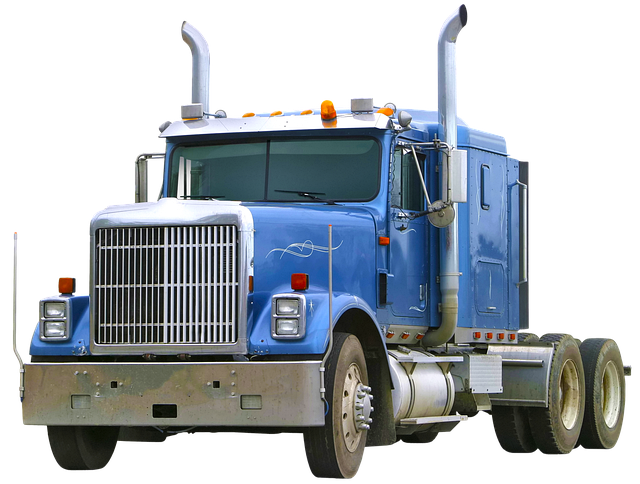
To begin the car registration process in California, the first step is to complete the Vehicle Registration Application. This form requires detailed information about your vehicle, including its make, model, year, and unique identifier—the Vehicle Identification Number (VIN). The VIN is a crucial element for any vehicle registration as it allows the Department of Motor Vehicles (DMV) to verify the car’s history and authenticity during the vin verification process.
Ensure that you accurately input all data related to ownership, insurance details, and vehicle specifications. After filling out the application, you’ll need to schedule a mobile vin inspection or visit a DMV office for further procedures. The availability of mobile vin verifiers can facilitate this step by providing convenient on-site VIN verification, making it easier for you to complete your car registration in California.
Pay Car Registration Fees and Receive Plate

After completing your vehicle’s registration application at the California DMV, it’s time to settle the fees associated with licensing your car. The amount varies based on several factors including your vehicle type and age. You can typically pay online, by mail, or in person at a local DMV field office. Once the payment is processed, you’ll receive your vehicle’s registration certificate and license plates.
A key step in this process involves the DMV vin verification, ensuring that your vehicle’s unique identification number (VIN) is accurate and matches the data on file. For added convenience, many drivers opt for a mobile vin inspection or use a mobile vin verifier to streamline this part of the registration. This way, you can verify your VIN electronically before heading to the DMV, saving time and effort.
Registering a car in California involves several straightforward steps, from gathering essential documents to completing the DMV vin verification process. By visiting your local California DMV office, you can efficiently navigate the vehicle registration application and promptly receive your new license plate. Remember that proper preparation, including accurate VIN verification, is key to a smooth car registration experience.