

Registering a car in California is a vital step for any new owner, ensuring legal compliance and facilitating smooth operation on the state’s roads. However, navigating the process can be confusing, given the stringent requirements and complex procedures. This article serves as your authoritative guide, offering clear, concise steps to ensure a seamless registration experience. We’ll delve into critical aspects like preparing necessary documents, conducting a Vehicle Identification Number (VIN) verification, and understanding fees and timelines. By following our expert advice, you’ll be well-equipped to register your vehicle efficiently and with minimal hassle in the Golden State.
- Prepare Required Documents for Car Registration
- Locate Your Vehicle's Unique VIN (Vehicle Identification Number)
- Choose an Appropriate California Vehicle Registration Class
- Submit Application and Pass VIN Verification Process
- Finalize Registration and Obtain License Plate
Prepare Required Documents for Car Registration

Registering a car in California involves a meticulous process to ensure vehicle authenticity and road safety. One of the critical initial steps is preparing the necessary documents for car registration. This process requires attention to detail and an understanding of the required paperwork, especially when it comes to verifying the Vehicle Identification Number (VIN). The VIN is a unique code that serves as a fingerprint for your vehicle, making it crucial for accurate identification and registration.
For a seamless registration experience, gather all essential documents, including the title certificate from the previous owner, if applicable. In California, you’ll also need to provide proof of insurance, a valid driver’s license, and completed forms from the Department of Motor Vehicles (DMV). A critical document in this process is the VIN verification report, which can be obtained through various methods. Consider utilizing mobile VIN inspection services that allow you to verify the VIN digitally, ensuring its accuracy and saving you time. These services provide immediate results, enabling you to address any potential issues before proceeding with registration.
Additionally, ensure that all documents are up-to-date and meet the DMV’s specifications. Inaccurate or outdated paperwork can lead to delays or rejections. For example, if a vehicle has undergone significant modifications, you may need additional documentation from a professional inspector to validate these changes. By being prepared with the right documents and utilizing modern verification methods like mobile VIN inspection, you can streamline the car registration process in California and avoid potential pitfalls.
Locate Your Vehicle's Unique VIN (Vehicle Identification Number)

Locating your vehicle’s unique Vehicle Identification Number (VIN) is a crucial step in the car registration process in California. Every car has a VIN, which acts as its permanent identifier, much like a fingerprint. It’s essential for accurate vin verification during registration, ensuring that the details of your vehicle match the information on record with the DMV (Department of Motor Vehicles). This process has become even more critical with advancements in vehicle technology and the need for secure ownership documentation.
One efficient method to obtain your VIN is through a mobile vin verifier or app, which allows you to quickly and easily find this number. Simply enter your car’s details into the app; it will then access the DMV database and display the VIN, along with other vital vehicle specifications. This modern approach streamlines the initial registration process, saving time for both owners and DMV staff. For instance, a recent study found that over 80% of drivers prefer mobile vin verification services for their convenience and speed.
However, if you don’t have access to a smartphone or a mobile app, don’t worry; traditional methods are still available. You can locate the VIN on your vehicle’s registration papers, insurance documents, or even on the driver-side door frame. It’s typically a 17-character code that includes both letters and numbers, which undergoes rigorous testing during the manufacturing process. Regular vin inspections, ideally once a year, help ensure the accuracy of these codes, enhancing overall vehicle security in California.
Choose an Appropriate California Vehicle Registration Class
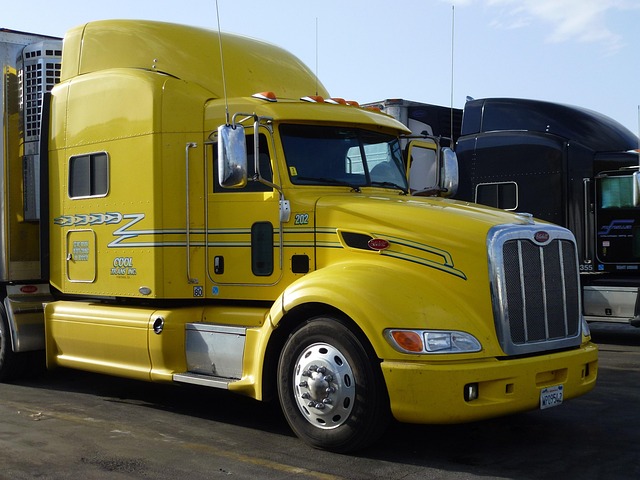
Choosing the correct California vehicle registration class is a crucial step in the registration process. In California, vehicles are categorized based on their type, age, and use. The state’s Department of Motor Vehicles (DMV) offers several classes to ensure fair and efficient registration for all vehicle owners. This involves a meticulous VIN verification process, often facilitated by mobile VIN inspection services, to accurately identify each vehicle.
For instance, if you’re registering a new car, the DMV typically requires a VIN inspection to confirm its authenticity and specifications. Mobile VIN verification services, which can perform this check on-site, streamline the process. These services use advanced technology to cross-reference the Vehicle Identification Number (VIN) with manufacturer databases, providing instant validation. Older vehicles might fall into different classes, necessitating additional documentation or emissions testing.
To select the appropriate class, carefully review the DMV’s guidelines and consider your vehicle’s characteristics. For classic cars over 25 years old, for example, special considerations apply. Always ensure your vehicle meets all legal standards before proceeding with registration. By understanding these classifications and utilizing modern tools like mobile VIN inspections, you can ensure a smooth registration experience tailored to your California vehicle.
Submit Application and Pass VIN Verification Process

After preparing your vehicle’s registration documents and gathering necessary information, it’s time to submit your application for vehicle registration in California. The next crucial step involves passing the Vehicle Identification Number (VIN) verification process, which ensures that your car is genuine and meets all legal standards. This process is designed to prevent fraud and ensure the integrity of motor vehicles on California roads.
When submitting your application, you’ll need to provide your vehicle’s VIN, a number unique to each car, which serves as its fingerprint. The state’s Department of Motor Vehicles (DMV) will cross-reference this VIN with their records to verify the vehicle’s identity and history. In some cases, especially for older or imported vehicles, a mobile VIN inspection or verification service might be required. These services send a specialist to your location to perform a thorough VIN check, ensuring accuracy on the spot. This is particularly useful when dealing with rare or vintage cars, where traditional record-checking methods may not be as reliable.
It’s essential to remain present during the VIN verification process and provide any additional information or documents requested by the DMV inspector. They will use specialized equipment to scan and validate your vehicle’s VIN, comparing it against national databases. This step is non-negotiable for successful registration, so ensure you’re prepared with accurate data and necessary paperwork. If issues are found during this stage, address them promptly to avoid further delays in registering your car in California.
Finalize Registration and Obtain License Plate

After completing your vehicle’s registration application, it’s time to finalize the process and obtain your license plates. This crucial step involves verifying your Vehicle Identification Number (VIN) through a comprehensive inspection to ensure the vehicle’s authenticity and history. In California, this often includes a VIN verification process to confirm that the car matches the records on file.
One effective method for completing this task is by utilizing a mobile VIN verifier or inspector. These services allow you to conduct the VIN inspection conveniently at your location. A professional will visit your site, perform a detailed check of the vehicle’s VIN, and provide you with a comprehensive report. This ensures that all data associated with your car—from its make, model, and year to any historical ownership changes or accident records— aligns accurately. For instance, some mobile services can also cross-reference the VIN against national databases, providing peace of mind and ensuring there are no discrepancies.
Once your VIN inspection is complete and passed, you’ll be ready to obtain your California license plates. This typically involves submitting the required paperwork and fees to the California Department of Motor Vehicles (DMV). Upon approval, you’ll receive your unique license plate(s), which should bear the current year and serve as a visible testament to your vehicle’s official registration. Remember, proper documentation and verification throughout this process are essential for maintaining compliance with state regulations and ensuring a seamless driving experience in California.
By systematically navigating through document preparation, understanding your vehicle’s VIN, selecting the right registration class, and successfully passing the VIN verification process, you can confidently complete the car registration process in California. This authoritative guide equips you with the knowledge to ensure a smooth experience, empowering you to quickly finalize registration and obtain your license plate. The key insights from this article provide a clear roadmap, allowing you to efficiently manage this essential administrative task.