

Registering a car in California is a vital step for any new vehicle owner, ensuring legal compliance and protecting your investment. However, navigating the process can be daunting, given the extensive paperwork and stringent regulations. This comprehensive guide aims to demystify the procedure, offering clear, authoritative instructions from start to finish. We’ll delve into every crucial aspect, including the essential documents required, step-by-step registration procedures at the DMV, and even highlight the critical role of a proper DMV VIN verification in ensuring your vehicle’s authenticity and safety.
- Gather Necessary Documents for Car Registration
- Prepare Your Vehicle for DMV Inspection
- Complete the California Car Registration Application
- Perform DMV VIN Verification: A Step-by-Step Guide
- Submit and Track Your Car Registration: Final Steps
Gather Necessary Documents for Car Registration

To register your car in California, you’ll first need to gather all the necessary documents. This process begins with ensuring your vehicle meets state requirements for safety and emissions. One crucial step is to obtain a Vehicle Identification Number (VIN) verification from the California Department of Motor Vehicles (DMV). This can be done through a traditional DMV visit or, more conveniently, by utilizing their mobile VIN inspection service.
A valid, up-to-date car insurance policy is also mandatory for registration. The policy should list you as the owner and cover both liability and collision, meeting California’s minimum requirements. Additionally, prepare your purchase agreement or title document if you’ve recently bought the vehicle. These documents ensure a smooth registration process. If you acquired the car through a private sale without a title, you might need to complete additional paperwork with the DMV.
Another essential step is to verify the vehicle’s history through services like Carfax or AutoCheck. This includes checking for any outstanding loans on the car. Some buyers opt for a mobile VIN verification service to get a quick and accurate snapshot of the vehicle’s past, ensuring they’re making an informed decision. While not always required, this extra layer of inspection can be beneficial in today’s digital age, where a simple VIN check can reveal a wealth of information about a car’s maintenance history and potential issues.
Prepare Your Vehicle for DMV Inspection

Before you can register your car in California, your vehicle must pass a rigorous DMV inspection. This process ensures that all safety standards are met and provides an opportunity to address any outstanding issues with your car’s maintenance. One crucial aspect often overlooked is ensuring your vehicle is ready for the DMV VIN verification process. This involves a thorough check of your car’s identity through its Vehicle Identification Number (VIN).
During the inspection, the DMV will verify critical data linked to your VIN, such as the year, make, model, and whether it has been reported stolen or has outstanding recalls. To streamline this process, consider arranging for a mobile VIN inspection service. These professionals bring the necessary equipment to your location, saving you time and effort. They can also help identify potential issues that may impact the registration process, such as discrepancies between the vehicle’s odometer reading and its actual mileage.
A key step in preparing is to gather all necessary documents related to ownership and maintenance of the car. This includes proof of insurance, a valid driver’s license, and any previous inspection reports or repair records. It’s also beneficial to double-check that your car meets California’s emission standards. If you’ve recently had work done on your vehicle, make sure the repairs are documented to avoid any delays. While a mobile VIN verification service can help catch most issues early, it’s important to be proactive and ensure everything is in order before heading to the DMV.
Complete the California Car Registration Application

Completing the California Car Registration Application is a crucial step in ensuring your vehicle complies with state regulations. The process involves gathering essential documents and providing accurate information to the Department of Motor Vehicles (DMV). One critical component of this application is the DMV VIN verification, which ensures that the vehicle’s unique identification number matches the registered owner and model. This meticulous check is designed to prevent fraud and ensure safety standards.
For a seamless experience, consider utilizing modern tools like mobile VIN verification services. These applications offer a convenient and accurate means of completing the VIN inspection step. By using a mobile VIN verifier, you can bypass the traditional inspection stations, saving time and effort. For instance, many mobile apps allow users to simply input their vehicle’s VIN and receive instant validation, making it an efficient alternative to visiting a DMV office or waiting for mail-in verifications. This modern approach aligns with California’s commitment to streamlined, digital services.
When filling out the application, ensure all details are precise, from the vehicle identification number (VIN) to the owner’s information. An error in this process can lead to delays or even rejection of your registration. For instance, a mismatch in VIN data due to incorrect entry may trigger additional scrutiny, requiring you to undergo a mobile VIN inspection to resolve the discrepancy. To avoid such hurdles, double-check all entries and consider having a basic understanding of the car registration process before beginning. This proactive approach will help ensure a smooth journey towards registering your vehicle in California.
Perform DMV VIN Verification: A Step-by-Step Guide
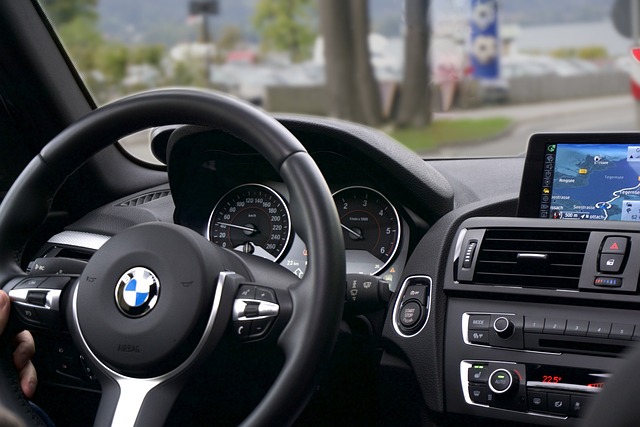
To register your car in California, performing a DMV VIN verification is a crucial step. This process ensures that your vehicle meets all safety and emission standards before it can be legally operated on state roads. Here’s a step-by-step guide to help you navigate this essential part of the registration process:
First, gather all necessary documents, including your vehicle’s Certificate of Title (if applicable), proof of insurance, and identification. Next, locate the Vehicle Identification Number (VIN) on your car—it’s usually found on the driver’s side door frame or in the engine bay. Write down this unique 17-character code, as you’ll need it for the verification process. You can opt for a traditional VIN inspection at a DMV office or leverage modern alternatives like a mobile vin verifier. The latter is particularly convenient, allowing you to complete the check from the comfort of your home or workplace.
During the verification, the system will cross-reference your VIN with state records to confirm vehicle identity and ensure it’s not reported as stolen or having outstanding issues. In some cases, additional information might be required, such as proof of ownership history. Once successfully verified, this step clears your car for registration, moving you closer to hitting the road legally. Remember, accurate record-keeping and adhering to California’s vehicle regulations are key to a smooth registration process.
Submit and Track Your Car Registration: Final Steps

After completing the initial registration process with the California Department of Motor Vehicles (DMV), the final steps involve submitting your paperwork and tracking the status of your car’s registration. This critical phase ensures that your vehicle is legally recognized on California roads, allowing you to enjoy a seamless driving experience.
To streamline this process, many Californians opt for a mobile VIN verifier or conduct a DIY vin inspection using readily available tools. These methods enable you to verify your car’s Vehicle Identification Number (VIN) accuracy and completeness independently. A simple online search for “DMV VIN verification” will yield numerous trusted resources that guide you through the steps, ensuring no mistakes are made during this sensitive stage.
For instance, some mobile vin inspection services offer on-demand app-based solutions, allowing you to verify your VIN with just a few taps. These apps often sync with the DMV’s database, providing instant feedback on registration status and any associated issues. By leveraging these advanced tools, you can save time and avoid potential delays or penalties.
Remember that maintaining accurate records is essential throughout the car ownership journey. Regularly tracking your registration status—whether through the DMV’s official website or dedicated apps—ensures you stay compliant with California’s strict vehicle regulations. This proactive approach not only simplifies renewals but also reinforces your commitment to safe and legal driving.
Registering a car in California involves several crucial steps, from gathering essential documents to completing a thorough DMV VIN verification process. Key takeaways include ensuring all necessary paperwork is prepared, having your vehicle ready for inspection, and meticulously filling out the registration application. The article emphasizes the importance of accurate information and highlights the step-by-step guide for performing the DMV VIN verification, a critical component in the registration process. By following these detailed procedures and carefully navigating each phase, individuals can successfully register their vehicles, ensuring compliance with California’s requirements. This comprehensive guide equips readers with the knowledge to confidently and accurately complete the car registration process.