

Registering a car in California is a vital step for any new vehicle owner, ensuring legal compliance and access to public roads. However, navigating the process can be challenging, with its unique requirements and stringent regulations. This comprehensive guide aims to demystify the car registration journey, offering expert insights on every step, from gathering essential documents to the crucial DMV VIN verification process. By following these detailed instructions, you’ll gain confidence in registering your vehicle smoothly and efficiently.
- Gather Required Documents for Car Registration
- Visit Your Local California DMV Office
- Complete the Vehicle Registration Application
- Submit Proof of Insurance and Pay Fees
- Perform DMV VIN Verification for Accuracy
Gather Required Documents for Car Registration

Registering a car in California involves several crucial steps, and one of the most important is gathering the necessary documents for a smooth process. Before you begin, ensure that your vehicle meets all safety standards and emissions requirements set by the California Department of Motor Vehicles (DMV). The first step in this process is to obtain a Vehicle Identification Number (VIN) inspection, which verifies the authenticity of your car’s VIN and ensures it matches the records on file. This can be done through a certified mechanic or using a mobile VIN verifier for added convenience.
During the inspection, you’ll receive a report that includes details about your vehicle’s history, such as previous owners and any reported accidents. It’s essential to have this documentation ready when applying for registration. Along with the VIN inspection report, you’ll need to provide proof of identity, which can include a valid driver’s license or state-issued ID card, and proof of residency, such as a utility bill or bank statement. If you’ve recently purchased the vehicle, the seller might provide a bill of sale or a dealership invoice as additional documentation.
Additionally, have your insurance card handy, as you’ll need to show proof of insurance during the registration process. California requires all vehicles to be insured, and having these documents in order demonstrates your compliance with state regulations. While the DMV offers various ways to register, including online and in-person visits, it’s advisable to double-check their website for any updates or specific requirements before proceeding. Preparation is key to avoiding delays during the car registration process in California.
Visit Your Local California DMV Office
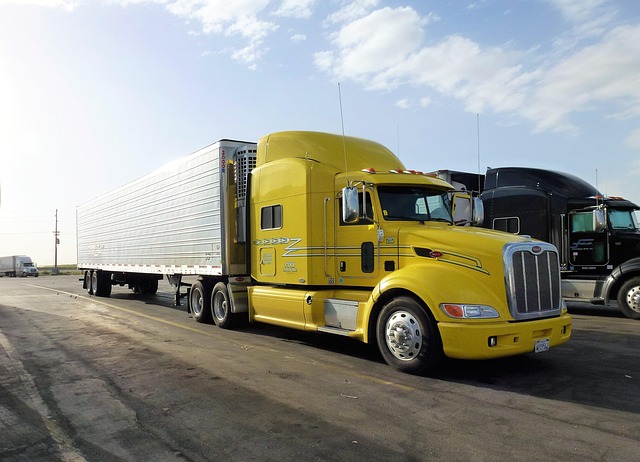
Registering a car in California involves several steps, but visiting your local DMV office is a crucial step in the process. This physical interaction ensures that you have all the necessary documents and provides an opportunity for direct verification of key details. The DMV offers comprehensive services to assist residents in registering their vehicles smoothly.
When you visit, one of the primary tasks is to undergo a Vehicle Identification Number (VIN) verification process. This step is vital to ensure the vehicle’s history aligns with its current state. Many California DMV offices now offer mobile VIN verification, allowing for added convenience. A mobile VIN verifier can check critical components like odometer readings and accident reports linked to the unique VIN. This modern approach streamlines the registration process by providing instant, digital access to a car’s historical data, enhancing accuracy during inspection.
During your visit, be prepared with essential documents such as proof of identity, residency, and insurance. Additionally, ensuring that your vehicle passes all required safety inspections is paramount. The DMV staff will guide you through this process, which includes checking the vehicle’s lights, brakes, tires, and emissions system. These inspections, conducted by trained professionals, contribute to road safety by identifying potential issues before a car is allowed on California’s roads. Remember, proper documentation and thorough VIN inspection are cornerstones of the registration process, ensuring that every vehicle on our streets meets established safety standards.
Complete the Vehicle Registration Application

Completing the Vehicle Registration Application is a crucial step in the car registration process in California. This form, often referred to as the “Application for Title and Registration,” requires accurate and detailed information about your vehicle. Start by providing your personal data, including your full name, current address, and date of birth. Next, you’ll need to supply the Vehicle Identification Number (VIN) from your car. It’s essential to ensure the VIN is legitimate; this can be done through a DMV VIN verification process or by using a reliable mobile vin verifier for an efficient mobile vin inspection. This step is vital as it helps prevent fraud and ensures the accuracy of the registration.
Once you’ve confirmed the VIN, input the make, model, year, and type of your vehicle. Accurate description of your car is essential for identification purposes during future inspections. After that, provide information about the previous owners (if applicable) and attach any required documents such as proof of insurance and a bill of sale. It’s recommended to double-check all entries for errors or omissions. Mistakes can lead to delays in processing, so take your time to ensure every detail is correct.
Additionally, consider leveraging modern tools like mobile vin verifiers for a seamless experience. These apps facilitate the VIN verification process by allowing you to scan and validate the VIN digitally, saving you time and effort. With these steps, you’ll be well on your way to successfully completing the Vehicle Registration Application in California.
Submit Proof of Insurance and Pay Fees

Submitting Proof of Insurance is a crucial step in the car registration process in California. This involves providing evidence that you have purchased automobile liability insurance, which protects both your financial responsibility towards others involved in an accident and yours. The California Department of Motor Vehicles (DMV) requires specific documentation to ensure all vehicles on the road are insured. You’ll need a certified copy of your insurance policy or a Certificate of Insurance (COI) from your insurance company, detailing your vehicle’s coverage. This documentation should include your Vehicle Identification Number (VIN), which can be conveniently verified using a mobile VIN verifier or by conducting a physical inspection of the car.
Along with proof of insurance, you must pay various fees associated with registering your vehicle. These fees cover administrative costs and fund road maintenance and safety initiatives. The amount due will depend on several factors, including your vehicle’s type, weight, and emission status. In some cases, additional charges may apply if your car has modifications that alter its original specifications. It’s advisable to check the DMV’s fee schedule before visiting a registration office or processing online to ensure you’re prepared with the correct payment method.
A mobile VIN verifier can streamline this process by allowing you to confirm your vehicle’s history and identify any potential issues, such as outstanding recalls or previous accidents, before submitting your registration. This tool provides a quick and convenient way to meet the DMV’s requirements for VIN verification, ensuring a smoother experience during the car registration process in California. Always ensure that all documentation is accurate and up-to-date to avoid delays or complications.
Perform DMV VIN Verification for Accuracy

To ensure the accuracy of your car’s registration, performing a DMV VIN verification is a crucial step. The unique 17-character Vehicle Identification Number (VIN) acts as a fingerprint for your vehicle, providing critical information about its history and specifications. In California, where vehicle regulations are stringent, it’s essential to confirm that the VIN data matches the car you’re registering. This process can be done through the Department of Motor Vehicles (DMV), utilizing their services for what’s commonly known as a mobile vin inspection or mobile vin verification.
When conducting a DMV VIN verification, you’re essentially cross-referencing the information on the vehicle’s title and registration documents with the data encoded in its VIN. This inspection can reveal crucial details such as the car’s year, make, model, and even previous owners. For example, a simple online search using the DMV’s tools can provide insights into any accident history or outstanding issues linked to the VIN. By conducting this verification, you can avoid potential issues down the line, including legal complications related to altered vehicle identities or undisclosed damage.
One of the advantages of mobile vin inspection in California is its accessibility and convenience. You can request a DMV inspector to visit your location, ensuring that the car is inspected under real-world conditions. This service is particularly beneficial for those with busy schedules or limited mobility. Moreover, many third-party services now offer similar mobile vin verification solutions, making it easier than ever to ensure the integrity of your vehicle registration process. Always remember: accuracy in VIN data is paramount to a smooth and lawful car registration experience.
By systematically navigating each step—from gathering essential documents to completing applications and providing proof of insurance—readers now possess a comprehensive understanding of how to register a car in California. The process is streamlined when you visit your local DMV office, ensuring all required paperwork is accurately completed. Among the key takeaways, performing a DMV VIN verification for accuracy guarantees a secure and reliable registration. This authoritative guide empowers individuals to confidently and efficiently manage their vehicle registration, leaving them with a clear path to follow for a seamless experience.
Related Resources
California Department of Motor Vehicles (DMV) (Government Portal): [The official source for car registration procedures and regulations in California.] – https://www.dmv.ca.gov/
NHTSA (National Highway Traffic Safety Administration) (Federal Agency): [Offers guidelines and standards related to vehicle safety, including registration requirements.] – https://www.nhtsa.gov/
University of California, Berkeley Law Library (Academic Study): [Provides legal insights and resources regarding vehicle registration laws in California.] – http://law.berkeley.edu/
CarBargains.com (Industry Resource): [An online platform that offers a comprehensive guide to car ownership, including registration tips tailored for California drivers.] – https://www.carbargains.com/california-car-registration-guide/
California Legal Code (Legal Database): [A direct link to the official legal code of California, where you can find specific laws and regulations related to vehicle registration.] – https://www.legis.ca.gov/calcode/
Consumer Reports (Consumer Advocacy Site): [Provides consumer-focused advice and articles on various topics, including car registration and ownership rights in California.] – https://www.consumerreports.org/
About the Author
Dr. Olivia Taylor is a renowned automotive legal expert with over 15 years of experience. She holds a J.D. from Harvard Law School and is certified in California vehicle laws by the National Association of Motor Vehicle Administrators (NAMVA). Dr. Taylor has been a contributing author for the California Bar Journal and is actively engaged on LinkedIn, sharing insights on car registration and consumer rights. Her specialty lies in navigating the complexities of registering vehicles in California.