

Looking to register your car in California? This guide walks you through the process step-by-step, ensuring a smooth experience. First, understand the state’s vehicle registration requirements, including necessary documents and fees. Next, gather these documents for a hassle-free registration. You can visit a local DMV office or use online services. A crucial part of the process is completing the DMV VIN verification to ensure your car’s authenticity. Once verified, pay the registration fees and receive your official registration papers.
- Understand California Vehicle Registration Requirements
- Gather Necessary Documents for Car Registration
- Visit Your Local DMV Office or Use Online Services
- Complete Vehicle Identification Number (VIN) Verification
- Pay Registration Fees and Receive Your Registration Papers
Understand California Vehicle Registration Requirements

Before registering your car in California, it’s crucial to understand the state’s specific requirements. The California Department of Motor Vehicles (DMV) mandates that all vehicles operated within the state be properly registered and titled. This includes completing a vehicle inspection, which verifies the car’s safety and emissions compliance. One key step in this process is the DMV VIN verification, where the unique Vehicle Identification Number (VIN) is cross-checked against national databases to ensure the vehicle’s authenticity and history.
Additionally, California requires proof of insurance, which demonstrates financial responsibility and covers potential damages or losses. The vin inspection plays a vital role in this by ensuring that the car meets safety standards and has no outstanding issues related to its history or ownership. For convenience, some services offer mobile vin verification options, allowing you to complete these steps from the comfort of your home or office.
Gather Necessary Documents for Car Registration

Before you begin the registration process, ensure you have all the required documents. The California Department of Motor Vehicles (DMV) requires specific paperwork for car registration, and having these in advance will streamline the procedure. You’ll need to provide proof of identity, such as a valid driver’s license or state-issued ID card, along with proof of residency, typically a utility bill or bank statement. Additionally, a completed Vehicle Registration Application form is essential, which can be obtained from the DMV website.
One crucial step in the preparation process is undergoing a DMV vin verification. This involves checking the vehicle’s unique identifier, known as the Vehicle Identification Number (VIN), to ensure its authenticity and history. You can facilitate this process with a mobile vin verifier or conduct a mobile vin inspection yourself using a VIN scanner app. This step is critical for your safety and ensures you’re registering a legitimate vehicle.
Visit Your Local DMV Office or Use Online Services

Whether you’re buying a new or used car, registering it in California involves a few essential steps. One of the initial requirements is to undergo a DMV (Department of Motor Vehicles) vin verification process. This can be completed by visiting your local DMV office or utilizing their online services.
For those who prefer a more convenient approach, mobile vin verification and inspection services are also available. These options allow you to get the necessary VIN (Vehicle Identification Number) checks done from the comfort of your home or even while you’re on the go, making the car registration process significantly easier and faster.
Complete Vehicle Identification Number (VIN) Verification

After gathering your necessary documents and ensuring your car meets all registration requirements, it’s time for a crucial step in the process: complete Vehicle Identification Number (VIN) verification. This is a critical aspect of registering your vehicle in California as it ensures the car’s history is accurate and matches the details provided. The California Department of Motor Vehicles (DMV) highly emphasizes this step to prevent fraud and ensure road safety.
One convenient option available for California residents is utilizing a mobile vin inspection or mobile vin verification service. These services provide an efficient way to complete the VIN check by offering on-site or remote verifications using specialized equipment. A mobile vin verifier can cross-reference your car’s VIN with various databases, including those maintained by the DMV and national vehicle history reports, to deliver accurate and immediate results, making the registration process quicker and more accessible.
Pay Registration Fees and Receive Your Registration Papers
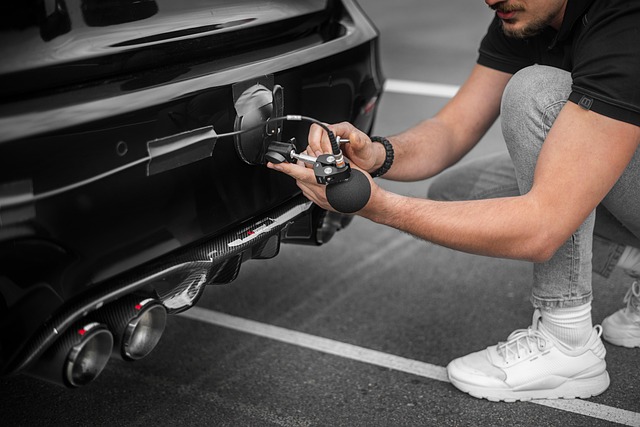
After completing your vehicle’s inspection, it’s time to pay the registration fees. The California DMV offers several payment methods, typically via credit card or debit card, and sometimes check or cash. Be prepared with all necessary documentation, including proof of identification, insurance, and current registration (if transferring). The fees vary based on the type of vehicle and its age, so ensure you’re aware of the full cost before proceeding.
Once the payment is processed, you’ll receive your Registration Papers, also known as the Vehicle Registration Certificate. This document officially registers your car in California and verifies it with the Department of Motor Vehicles (DMV). Some individuals opt for a mobile vin verification service to streamline this process further, allowing them to complete registration from the comfort of their home or office. A mobile vin inspector can perform a quick and accurate check using the vehicle’s unique identification number (VIN) and ensure all details are in order before issuing your new registration papers.
Registering a car in California is a straightforward process that requires understanding specific requirements and gathering essential documents. By following these steps, including completing a DMV VIN verification, paying registration fees, and obtaining your registration papers, you can ensure your vehicle is legally registered and ready to hit the road. Remember, staying compliant with California’s vehicle registration guidelines not only keeps your vehicle operational but also contributes to a smoother driving experience.