

Registering a car in California is a crucial step for any new vehicle owner, ensuring legal compliance and facilitating responsible ownership. However, navigating the process can be intricate and often confusing for many. This comprehensive guide aims to demystify the procedures, offering clear insights into every step involved. From gathering essential documents to utilizing reliable VIN verifiers, we’ll equip you with the knowledge to successfully register your vehicle in California, ensuring a seamless experience from start to finish.
- Prepare Necessary Documents for Car Registration
- Verify Vehicle's VIN: An Essential Step in California
- Choose an Appropriate Registration Class for Your Car
- Submit Applications and Fees to the DMV in California
- Receive and Keep Your Vehicle's Registration Papers
Prepare Necessary Documents for Car Registration

Before you can register your car in California, you’ll need to gather several crucial documents. This process is designed to ensure vehicle safety and identity verification, making it essential for every new or transferred car owner. Among these, the Vehicle Identification Number (VIN) is a critical piece of information that serves as a unique fingerprint for your vehicle. A VIN verifier, whether accessed online or through mobile apps offering services like mobile VIN inspection and mobile VIN verification, can help cross-check this data against authorized databases to ensure authenticity.
For California residents, essential documents include the title, registration application, proof of insurance, and valid driver’s license. The title is a legal document that establishes ownership; it should be signed by the previous owner if transferring the vehicle. The registration application must be completed in full, including all required personal information and vehicle specifications. Proof of insurance is also mandatory for roadworthiness and liability purposes. Some owners may opt to use mobile VIN inspection services to verify their vehicle’s history before completing these forms, as this can help uncover any potential issues or discrepancies.
Additionally, a valid emissions test certificate is typically required if your car was manufactured after 1965. This further underscores the state’s commitment to environmental protection and safe vehicles on its roads. Once all documents are gathered and verified using tools like mobile VIN verification, you can proceed with the registration process at a California Department of Motor Vehicles (DMV) office or by mail, ensuring your vehicle is officially documented and ready for California’s roads.
Verify Vehicle's VIN: An Essential Step in California
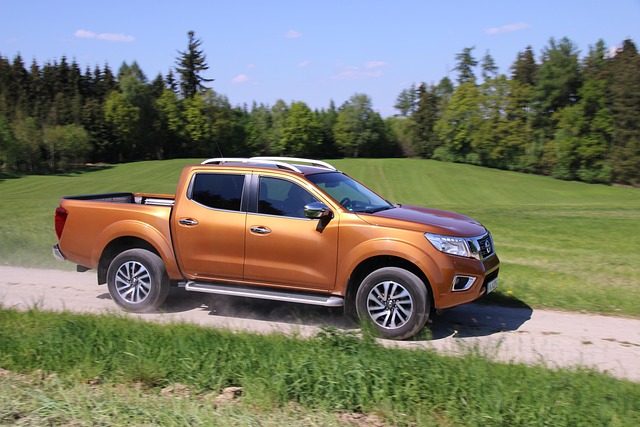
Verifying a vehicle’s Vehicle Identification Number (VIN) is a crucial step in the car registration process in California. This unique 17-character code provides critical information about the vehicle’s history and specifications, making it essential for ensuring accuracy during registration. A VIN verifier plays a pivotal role in this process, offering both convenience and precision. With the help of advanced scanning technology, these tools can quickly and accurately read the VIN from any location on the car, including the dashboard or engine bay.
In California, where vehicle regulations are stringent, using a mobile VIN inspection service can streamline the registration experience significantly. This innovative solution allows you to conduct a thorough VIN verification right from your smartphone or tablet, eliminating the need for lengthy visits to dealerships or inspection stations. Moreover, many reputable services offer real-time data access, enabling you to confirm critical details such as vehicle history, recall status, and title information instantaneously.
For instance, consider a scenario where a driver is preparing to register an older vehicle with a complex ownership history. By employing a mobile VIN verification service, they can swiftly ascertain the vehicle’s genuine identity and any potential red flags associated with its past. This proactive measure not only saves time but also helps in avoiding potential legal issues or misrepresentations during the registration process. As California continues to embrace digital solutions for vehicle management, leveraging mobile VIN inspection tools becomes an increasingly practical and preferred method for ensuring compliance and maintaining the integrity of state records.
Choose an Appropriate Registration Class for Your Car

Choosing the right registration class for your vehicle is a crucial step in the car registration process in California. The state categorizes vehicles into various classes based on factors like age, type, and use, which directly impacts the registration fees and requirements. One essential tool to aid in this decision is a mobile VIN verifier, allowing you to quickly and accurately check your vehicle’s history. Start by identifying whether your car falls under standard passenger vehicles, classic cars, or specialized types. For instance, classic cars over 25 years old often enjoy reduced registration costs due to their historical significance.
Utilizing a mobile VIN verification service can help determine if your classic car qualifies for these benefits. Similarly, if you own a low-emission vehicle or are transitioning to an electric one, California offers incentives in the form of lower registration fees and access to high-occupancy lanes. These environmental considerations play a significant role in registration class determinations. For unique vehicles like motorhomes or custom-built cars, consult with local DMV representatives who can guide you through the appropriate class selection.
Remember, choosing the correct registration class not only ensures compliance with California regulations but also plays a part in determining your vehicle’s insurance rates and access to certain areas, especially during events that require low-emission vehicles. A mobile VIN verifier can be a handy companion throughout this process, ensuring you make an informed decision tailored to your specific vehicle’s needs.
Submit Applications and Fees to the DMV in California
To complete the registration process for your vehicle in California, you’ll need to submit all necessary applications and fees to the Department of Motor Vehicles (DMV). This step is crucial, as it formally establishes your ownership and ensures your car complies with state safety and emissions standards. You’ll require several key documents, including proof of identity, insurance, and vehicle identification number (VIN) inspection results.
In California, a VIN inspection is mandatory before registering a car. This can be completed at a DMV field office or through a mobile VIN inspection service, providing convenience and efficiency. The latter option involves a certified inspector visiting your location to perform the check using advanced technology, including a vin verifier, to ensure the VIN is accurate and matches the vehicle’s components. This method streamlines the process, especially for those with busy schedules or limited mobility.
Once your VIN inspection is complete, you’ll receive a report confirming the vehicle’s identity and condition. Alongside this document, prepare your application form, which can be obtained online or in person from the DMV. Fill it out accurately, providing all requested information, such as personal details, ownership history, and any applicable fees. Ensure your insurance documents are up to date and meet California’s minimum coverage requirements. Submitting these materials along with the inspection report will facilitate a swift processing of your vehicle registration, enabling you to legally operate your car on California’s roads.
Receive and Keep Your Vehicle's Registration Papers

Receiving and keeping your vehicle’s registration papers is a critical step in the car registration process in California. Once you’ve completed the necessary forms and passed all required inspections, including a mobile VIN inspection or mobile vin verification, the California Department of Motor Vehicles (DMV) will issue your official registration documents. These papers serve as legal proof of ownership and are essential for operating your vehicle legally on California roads.
Your registration packet typically includes several key documents: a Certificate of Registration, which contains your Vehicle Identification Number (VIN), and a license plate. Carefully review these documents to ensure they match the details of your vehicle, such as the make, model, year, and VIN. If any discrepancies are found, contact the DMV immediately for corrections. Properly storing and keeping these papers in a secure location is crucial, as you’ll need them for future reference, including when transferring ownership or renewing your registration.
To streamline the process, consider using digital storage solutions to access your registration documents easily from your smartphone or computer. Additionally, keep records of any transactions or maintenance related to your vehicle. While digital copies are convenient, having physical backups is wise in case of technical failures or data breaches. By adhering to these practices, you ensure a seamless and legally compliant car ownership experience in California.
By meticulously preparing the required documents, verifying your vehicle’s VIN, selecting the correct registration class, and submitting applications with the California DMV, you streamline a crucial process—car registration. This comprehensive guide ensures you navigate this procedure efficiently and securely. Remember, the VIN verifier is a vital step, providing unique identification that safeguards against fraud. With these key insights, you’re now equipped to register your vehicle in California with confidence, knowing you’ve followed established protocols for a seamless and lawful experience.