

Registering a car in California is a vital process for any vehicle owner, ensuring legal compliance and providing key protections. However, navigating the requirements can be a daunting task, particularly with evolving regulations and complex procedures. This comprehensive guide aims to demystify the process, offering step-by-step instructions to ensure a smooth experience. From gathering essential documents to understanding DMV VIN verification, we’ll equip you with the knowledge to handle this crucial task efficiently. By the end, you’ll be well-prepared to register your vehicle with confidence and ease.
- Prepare Required Documents for Car Registration
- Visit California DMV: Step-by-Step Guide
- Understand Vehicle Identification Number (VIN) Verification
- Submit Application and Pay Fees: A Detailed Breakdown
- Post-Registration: Ensuring Your Vehicle's Compliance
Prepare Required Documents for Car Registration

Before you can register your car in California, it’s crucial to prepare all the necessary documents. This process involves several key steps, one of which is ensuring your vehicle’s VIN (Vehicle Identification Number) is accurately verified by the DMV. In some cases, utilizing a mobile vin verifier or undergoing a mobile vin inspection can streamline this process, offering convenience and speed. These methods allow you to conduct a thorough VIN check from the comfort of your location, whether it’s at home, work, or on the go.
A valid vehicle registration requires accurate and up-to-date information about your car. This includes details such as the make, model, year, and specific features that can impact its identification. A mobile vin verification service can cross-reference these details with official databases, ensuring they match records held by the California DMV. This step is vital to prevent errors or fraud in the registration process. For instance, a discrepancy in the VIN could indicate a stolen vehicle or an attempt to register a car under false pretenses, leading to legal complications.
To prepare for your car’s registration, collect and organize all relevant documents, such as proof of ownership (title), insurance card, and current DMV records. Additionally, have your mobile vin verifier app ready. Many reputable services offer user-friendly apps that guide you through the verification process, providing instant results and a digital report for easy reference. Once you’ve verified your VIN, you’ll be one step closer to having your car officially registered in California, ensuring smooth sailing on the state’s roads.
Visit California DMV: Step-by-Step Guide

To register your car in California, you’ll need to visit a DMV (Department of Motor Vehicles) office for several crucial steps, including a thorough VIN (Vehicle Identification Number) verification process. This guide will walk you through the process step-by-step, ensuring a smooth and efficient experience.
First, gather all necessary documents, such as your driver’s license, proof of insurance, and any existing registration records. When you arrive at the DMV, locate the dedicated VIN inspection counter. Here, a trained representative will verify your vehicle’s history using advanced tools and databases to cross-check the provided VIN with manufacturer records. This mobile VIN verification process ensures accuracy and saves time by comparing key details like vehicle make, model, year, and any reported accidents or issues.
During the inspection, they may check for outstanding warrants, tax payments, and emissions tests. If your car passes the initial checks, a new registration can be issued on-site. In some cases, especially with older vehicles or those requiring specialized inspections, additional documentation might be needed. For instance, classic cars over 25 years old may require a statement of historical significance from a recognized automotive organization. The DMV representative will guide you through these requirements and help you obtain any necessary forms.
Many California residents opt for mobile VIN verifiers, which can expedite the process further. These services use remote technology to perform real-time VIN inspections, often available right at your location or through a simple phone call. This convenience is particularly beneficial for those with busy schedules, ensuring they can register their vehicles without disrupting daily routines.
Understand Vehicle Identification Number (VIN) Verification
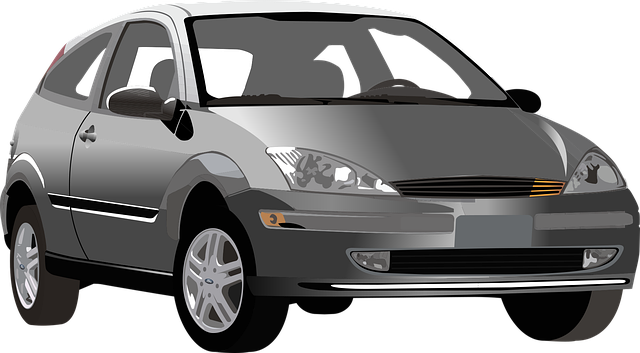
Registering a car in California involves several crucial steps, and one of the most critical aspects is ensuring your vehicle’s Vehicle Identification Number (VIN) is accurate and verified. The DMV vin verification process is designed to prevent fraud and ensure the security of California’s vehicle registration system. This step is particularly important given that California has some of the busiest roads in the nation, with millions of vehicles on the state’s highways daily.
A VIN is a unique 17-character code that identifies your vehicle’s make, model, year, and other features. It serves as a digital fingerprint for your car, making it essential for accurate registration. The California Department of Motor Vehicles (DMV) uses advanced systems to perform vin verification, often through mobile vin inspection services. These services allow DMV officers or authorized agents to check the VIN against their databases remotely, ensuring the vehicle’s authenticity in real time. For instance, a mobile vin verification app can cross-reference the provided VIN with national and international databases to confirm its validity.
When preparing your car for registration, ensure you have access to your vehicle’s VIN plate or tag. This information is typically located on the driver’s side of the dashboard near the window or on the engine block. If you’re purchasing a used car, request the seller provide the most recent maintenance records and the original owner’s manual, which should also contain the VIN. For those considering mobile vin inspection services, it’s advisable to book an appointment well in advance as these verifications can take some time, especially during peak registration periods. By following these guidelines for VIN verification, California vehicle owners can ensure a smoother registration process and contribute to the overall integrity of the state’s motor vehicle records.
Submit Application and Pay Fees: A Detailed Breakdown

To register your car in California, submitting the application and paying the required fees is a crucial step. The process begins with ensuring your vehicle meets all safety standards, including a DMV VIN verification to confirm its authenticity. This involves providing detailed information about your car, such as make, model, year, and unique Vehicle Identification Number (VIN). You can facilitate this process with a mobile VIN verifier, making it convenient for you to complete the inspection from anywhere.
When submitting your application, expect to pay several fees, which vary based on the type of vehicle and whether you’re transferring registration or registering a new car. For instance, as of recent data, California charges around $50 for most vehicles, plus an additional fee for optional services like emissions testing. It’s important to keep records of all receipts, especially for mobile VIN inspection services, which can be invaluable if any discrepancies arise during the verification process.
A practical tip is to double-check your documentation before submitting. This includes verifying that your VIN inspection report is accurate and up-to-date. Many mobile VIN verifiers offer same-day service, ensuring a swift resolution. If challenges occur during the application or fee payment process, don’t hesitate to reach out to the California DMV for assistance. They provide dedicated support channels to guide you through any hurdles, ensuring a seamless registration experience.
Post-Registration: Ensuring Your Vehicle's Compliance

After successfully registering your vehicle with the California Department of Motor Vehicles (DMV), ensuring ongoing compliance is crucial to avoid legal issues and maintain a smooth ownership experience. One critical aspect often overlooked is post-registration verification, specifically focusing on Vehicle Identification Number (VIN) integrity. This process involves validating the VIN, which serves as a unique identifier for your car, truck, or SUV, and can help deter fraud and ensure safety standards are met.
A key element of this verification is the mobile VIN inspection, an accessible service that allows California residents to confirm their vehicle’s authenticity conveniently. By utilizing specialized equipment, trained professionals can perform a comprehensive VIN check, including cross-referencing data with authorized databases. This method ensures that the VIN on your registration documents matches the one etched into the vehicle’s chassis, reducing the risk of theft or unauthorized modifications. For instance, California’s DMV offers an online tool where owners can enter their VIN to access important vehicle history details, further emphasizing the agency’s commitment to transparent ownership.
Regular mobile VIN verification is recommended, especially for older vehicles or those with a history of ownership changes. According to recent studies, regions with stringent inspection protocols, such as California, have reported lower rates of automotive fraud. By embracing these preventive measures, car owners can protect their investments and contribute to a safer, more transparent transportation network. Remember, staying proactive in vehicle maintenance and compliance is the best defense against potential legal complications down the road.
By meticulously preparing required documents, visiting a California DMV with a clear understanding of the process, and successfully navigating dmv VIN verification, you’ve taken significant steps toward registering your car. This article has equipped you with the knowledge to submit a complete application and manage post-registration compliance. With these key insights in hand, you’re now ready to ensure your vehicle’s legal status and enjoy peace of mind on California’s roads.