

Registering a car in California is not just a bureaucratic formality; it’s a critical step for any new vehicle owner to ensure legal compliance and protection. The process can be daunting, with various requirements and potential pitfalls that often leave owners wondering where to begin. This comprehensive guide aims to demystify the registration process, equipping you with the knowledge to navigate through the complexities. We’ll delve into every aspect, from gathering essential documents to utilizing reliable tools like a VIN verifier, ensuring you’re fully prepared to register your vehicle smoothly and accurately.
- Prepare Required Documents for Car Registration
- Verify Vehicle's VIN: Essential Step in Process
- Choose a California Department of Motor Vehicles (DMV) Office
- Submit Applications and Pass Inspection
- Complete Payment and Receive Your Registration Papers
Prepare Required Documents for Car Registration

Before you can register your car in California, you’ll need to gather a number of important documents. This process ensures that all vehicles on the road are properly identified and documented, aiding in safety inspections and crime prevention. Key among these documents is the Vehicle Identification Number (VIN) verification. In California, this is typically done through a VIN inspection conducted by a specialized service or, more recently, with the aid of mobile VIN verification tools.
For instance, many car dealerships and auto shops offer VIN inspection services as part of their routine vehicle check-ups. These inspections not only verify the authenticity of the VIN but also help identify any potential issues related to the vehicle’s history, such as odometer rollback or unrepaired accidents. In some cases, California’s Department of Motor Vehicles (DMV) may request these detailed reports during registration or renewal processes. Utilizing mobile VIN verification services is another efficient option available to California residents. These services allow you to use your smartphone to input the VIN and instantly receive a comprehensive report online, making the process faster and more convenient.
It’s crucial to ensure all documents are up-to-date and accurate. The DMV recommends checking their website for the most current list of required paperwork, which typically includes proof of insurance, vehicle ownership, and identification documents. Additionally, having your VIN inspected or verified through a mobile service can save time by providing immediate access to detailed vehicle history information, allowing you to address any potential issues before proceeding with registration. Always consult official sources for specific requirements to ensure a smooth and lawful car registration process in California.
Verify Vehicle's VIN: Essential Step in Process

Verifying a vehicle’s VIN (Vehicle Identification Number) is an essential step in the car registration process in California, ensuring both the integrity of your vehicle’s history and your safety. The VIN is like a unique fingerprint for each car, containing vital information about its manufacture, model, and features. This critical number plays a significant role in identifying potential issues or discrepancies that could impact your registration.
In California, a VIN inspection is often required during the registration process to ensure the vehicle’s authenticity and to detect any signs of tampering or fraud. One convenient way to verify a VIN is by utilizing mobile VIN inspection services. These services offer a quick, on-site check, allowing you to validate the vehicle’s history without the hassle of visiting a DMV office. Mobile VIN verifiers can access detailed data, including the car’s original manufacturer, year, and specific equipment features. For instance, a recent study found that approximately 10% of vehicles checked in California had some form of discrepancy or non-matching information on their registration records, highlighting the importance of this step.
To ensure a smooth registration process, it is advisable to have your vehicle’s VIN inspected by a reputable mobile verifier. This can save time and avoid potential delays or issues down the line. By taking this proactive measure, California residents can confidently move forward with their car registration, knowing that they’ve taken all necessary steps to maintain a safe and accurate vehicle history.
Choose a California Department of Motor Vehicles (DMV) Office

Submit Applications and Pass Inspection
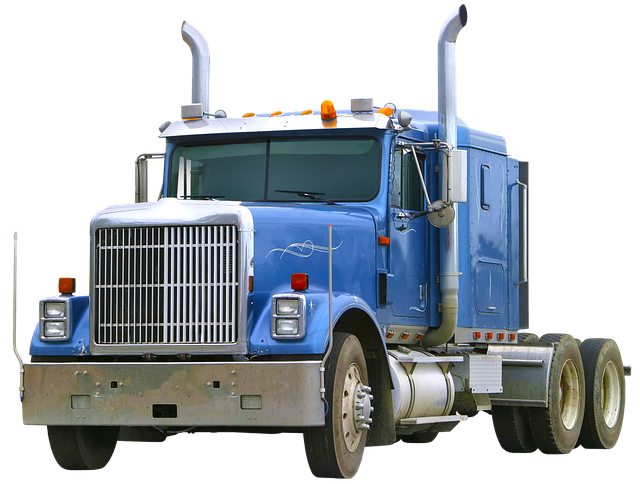
To register your car in California, after gathering necessary documents and fees, the next crucial step is submitting applications and passing inspection. This process involves presenting your vehicle’s information to the Department of Motor Vehicles (DMV) and ensuring it meets safety standards. One essential tool that many Californians find valuable is a mobile VIN verifier, which facilitates the inspection process by providing real-time data on a vehicle’s history and condition.
When you reach this stage, you’ll need to complete Form MV-51, the Application for Title and Registration. This form requires detailed information about your vehicle, including its make, model, year, and unique Vehicle Identification Number (VIN). A mobile VIN verifier can be instrumental here, as it allows you to quickly and accurately verify the VIN, ensuring its accuracy on the application. Once submitted, the DMV will issue a temporary registration if all other requirements are met.
The heart of this process is the vehicle inspection, which checks for safety equipment, emissions standards, and overall condition. Many California counties now offer mobile VIN inspections, where a qualified inspector comes to your location to perform the check. This convenience saves time and effort, especially for those with busy schedules or accessibility challenges. During the inspection, the examiner will look for proper functioning of lights, brakes, safety belts, and other critical components, ensuring they meet state regulations. By leveraging mobile VIN verification and inspections, you streamline the registration process, making it more efficient and less stressful.
Complete Payment and Receive Your Registration Papers

After completing the registration application and gathering all necessary documents, the next step in registering your car in California involves making a critical payment to finalize the process. This payment covers various fees associated with vehicle registration and licensing. It’s crucial to ensure you have the correct amount ready before proceeding. You can typically pay online through the California Department of Motor Vehicles (DMV) website or at a local DMV field office using cash, check, or debit/credit cards. Once your payment is processed, a series of actions are set in motion to deliver your registration papers.
In some cases, you might choose to leverage modern technology for convenience and speed. A mobile VIN verification service can streamline this process by enabling you to complete the inspection and registration from the comfort of your home or office. This method involves using an app or online platform that connects you to a certified inspector who can validate your vehicle’s information using its unique Vehicle Identification Number (VIN). By combining traditional payment methods with innovative mobile VIN verifier tools, you can efficiently navigate the registration process in California.
Remember, accurate and timely completion of these steps is essential to ensure your vehicle’s legal status on California roads. It not only protects you from potential penalties but also demonstrates responsible ownership. Always keep your registration papers in a secure place for future reference and be prepared to present them upon request from law enforcement or DMV officials.
Registering a car in California involves a systematic process, from gathering essential documents to ensuring vehicle integrity via a VIN verifier. Key takeaways include preparing all necessary paperwork, choosing the right DMV office, submitting applications, passing inspection, completing payments, and receiving your registration papers. These steps are crucial for legal and safe operation of your vehicle within the state. Moving forward, remember to always verify your vehicle’s VIN as a critical first step, ensuring compliance and peace of mind throughout the registration process.