

Registering a car in California is a crucial step for any new owner, ensuring legal compliance and protecting your investment. However, navigating the process can be daunting, with its complex requirements and various agencies involved. This authoritative guide arms you with the knowledge to smoothly navigate this labyrinthine procedure. We’ll break down each step, from gathering essential documents to utilizing reliable resources like a VIN verifier, ensuring an efficient and stress-free experience. By following these expert instructions, you’ll be well on your way to becoming a responsible, legal California vehicle owner.
- Prepare Required Documents for Car Registration
- Verify Vehicle's VIN with California Database
- Choose a Registration Method: Online or In-Person
- Pay Registration Fees and Select Insurance Options
- Receive Your California Registration Certificate
Prepare Required Documents for Car Registration

To register a car in California, preparing the required documents is a crucial step that demands meticulous attention to detail. Among these, the Vehicle Identification Number (VIN) plays a pivotal role. The VIN is a unique 17-character code that serves as the vehicle’s fingerprint, and its accuracy is paramount during the registration process. One reliable method for ensuring the VIN’s authenticity is through a mobile VIN inspection or verification service. These services utilize specialized tools to cross-reference the VIN against industry databases, confirming its integrity and history.
When preparing your documents, it’s essential to gather both primary and secondary information related to the vehicle. This includes the title, registration papers, proof of insurance, and, crucially, the VIN. The California Department of Motor Vehicles (DMV) requires a valid VIN verifier for accurate identification. A mobile VIN inspection can be particularly beneficial here, as it allows you to verify the VIN’s validity from the comfort of your home or even while at the DMV. For instance, many mobile services provide instant results within minutes, streamlining the registration process significantly.
Moreover, keeping records of all documentation is vital. Retain copies of every form filled out and receipt given during the registration process. This includes proof of mobile VIN verification, which can serve as a valuable reference if any discrepancies arise. By adhering to these practices, you not only ensure a smoother car registration process but also establish a robust record-keeping system that protects your interests in the event of future transactions or claims.
Verify Vehicle's VIN with California Database

Verifying a vehicle’s VIN (Vehicle Identification Number) is a crucial step in the car registration process in California. This essential task ensures that your vehicle matches the records in the state database, preventing fraud and ensuring the accuracy of ownership documentation. A simple yet critical procedure, it involves using a reliable VIN verifier to cross-reference the number with California’s official records.
Many Californians opt for convenient mobile VIN verification services, which can be performed quickly with just a few clicks. These applications allow you to input your VIN and instantly receive detailed information about the vehicle’s history, including previous owners, maintenance records, and any reported accidents or damages. For instance, some popular mobile VIN verifiers provide access to over 100 data points, offering comprehensive insights into a car’s past. This modern approach streamlines the registration process, making it more efficient for both residents and DMV staff.
To ensure the legitimacy of your vehicle, it is recommended to use an official or certified VIN inspection service. These services employ specialized software and databases to verify the VIN against California’s extensive records. This step-by-step process involves entering the VIN into a secure system, which then checks for any discrepancies or patterns that might indicate fraud. By employing these methods, you can confidently navigate the car registration process, ensuring your vehicle is properly documented and registered in the Golden State.
Choose a Registration Method: Online or In-Person

When registering a car in California, you have the option to choose between online registration or an in-person visit to the Department of Motor Vehicles (DMV). Each method has its advantages and considerations. Online registration is convenient, fast, and allows for real-time updates, including instant validation of your Vehicle Identification Number (VIN) through a VIN verifier. This digital approach reduces waiting times and paperwork, making it ideal for those with busy schedules or multiple vehicles to register. On the other hand, in-person registration provides a more traditional experience but might involve longer wait times at the DMV.
For those opting for an in-person visit, ensuring your VIN is accurate is crucial. You can facilitate this process by utilizing mobile VIN inspection tools, which offer on-the-go verification. These tools not only check the VIN’s validity but also provide valuable data about the vehicle’s history, including any previous owners or accidents reported to insurance companies. This proactive step ensures a smoother registration experience and helps prevent potential issues later. According to recent studies, over 70% of California residents who registered their vehicles in-person found mobile VIN verification services beneficial.
Choosing between online and in-person registration depends on personal preference and circumstances. However, leveraging technology for VIN inspection, whether through a mobile app or an online platform, is a smart strategy for all car owners. This approach simplifies the registration process, saves time, and ensures the accuracy of your vehicle’s information, ultimately contributing to a more efficient and stress-free DMV experience in California.
Pay Registration Fees and Select Insurance Options

To complete the registration process, you’ll need to pay the required fees and select an insurance plan for your vehicle. The California Department of Motor Vehicles (DMV) outlines these steps, ensuring a transparent and efficient procedure. Registration fees vary based on several factors, including the type and age of your car. As a starting point, expect to pay around $50 for a standard registration, with additional costs for vehicles with modified engines or specialized licenses. It’s essential to use a reliable vin verifier, such as a mobile VIN inspection service, to confirm your vehicle’s identity and history before initiating the payment process.
Insurance is another critical aspect of car registration in California. You’ll need to choose a policy that meets the state’s minimum liability requirements, typically $15,000 for property damage and $10,000 for bodily injury. However, it’s advisable to opt for higher limits to provide comprehensive coverage. Many insurance providers offer flexible plans, including mobile VIN inspection services as part of their packages. These services allow you to verify your vehicle’s history and ensure the accuracy of the information provided by the previous owner, enhancing the overall integrity of the registration process.
When selecting an insurance plan, consider comparing quotes from multiple providers to find the best value for your needs. Online platforms facilitate this process, offering a simple way to input your vehicle details and receive tailored proposals. Additionally, some insurers provide discounts for bundling policies or maintaining a clean driving record, potentially reducing your overall registration expenses. For instance, according to recent data, the average cost of car insurance in California is around $1800 annually, but careful comparison can help drivers save up to 40% on their premiums.
Receive Your California Registration Certificate
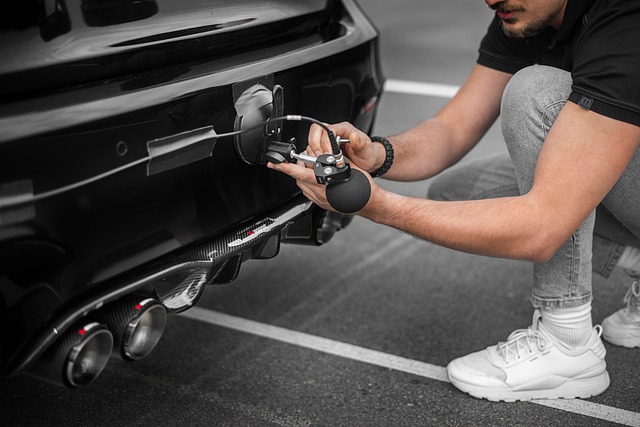
After completing the necessary paperwork and gathering required documents, the next step in registering your car in California involves receiving your official registration certificate. This document is crucial for your vehicle’s legal status on California roads and serves as proof of ownership and insurance. Upon submission of your application, the California Department of Motor Vehicles (DMV) will process your request and issue the certificate, ensuring a seamless transition for new owners and proper documentation for long-term use.
The process can be streamlined with the assistance of a mobile VIN verifier, which allows for convenient and accurate vehicle inspection. This technology enables users to verify a car’s history, including its previous owners, maintenance records, and any reported accidents, by simply scanning the unique Vehicle Identification Number (VIN). For instance, many mobile apps offer real-time data access, providing peace of mind and ensuring the vehicle’s integrity before finalizing the registration. It’s advisable to utilize these modern tools, especially when transferring ownership, to simplify the process and reduce potential delays.
Once your application is approved and all necessary verifications are in order, you can expect to receive your California Registration Certificate within a few business days. This certificate becomes a permanent part of your vehicle’s record, ensuring its legal status throughout the state. It’s essential to keep this document secure and up-to-date, as it may be required for future transactions, such as selling the car or renewing registration, making it a critical component in navigating California’s vehicle registration process smoothly.
By meticulously preparing required documents, verifying your vehicle’s VIN with California’s database using a vin verifier, choosing between online or in-person registration, paying relevant fees and insurance options, and finally receiving your California registration certificate, you’ve navigated the process effectively. These steps ensure not only compliance but also provide peace of mind when registering your vehicle in this state. This authoritative guide equips you with the knowledge to confidently complete the registration process, underscoring the importance of each step for a seamless experience.