

Registering a car in California is a vital process that ensures road safety and legal compliance. However, navigating the requirements can be challenging for new owners. Understanding the step-by-step process, including essential documents and fees, is crucial to avoid delays or legal issues. This article provides an authoritative guide to ensure a smooth registration experience. We’ll walk you through everything from gathering necessary paperwork to completing the DMV VIN verification, offering expert insights tailored to California’s unique regulations.
- Gather Required Documents for Car Registration
- Prepare Your Vehicle for DMV Inspection
- Complete the California Car Registration Application
- Submit Proof of Insurance and Pay Fees
- Perform DMV VIN Verification for Accuracy
Gather Required Documents for Car Registration

Before you can register your car in California, ensuring all required documents are gathered is paramount. The process involves verifying critical information, including the Vehicle Identification Number (VIN), which serves as a unique fingerprint for your vehicle. This verification is typically conducted through a DMV VIN verification process or by utilizing a mobile vin inspection service. For instance, many car dealerships offer this service on-site, allowing you to complete the initial steps comfortably and efficiently.
A key document you’ll need is the Certificate of Title, which establishes ownership. Additionally, proof of insurance, registration fees, and your driver’s license are essential. If you’ve recently purchased a vehicle from an out-of-state dealer, obtaining a California title transfer might be necessary. In such cases, mobile vin verification can streamline the process by quickly confirming the vehicle’s identity and history. This service, often provided by specialized companies, ensures that all data associated with your car is accurate and up to date.
Another crucial aspect is ensuring the accuracy of the Vehicle Identification Number (VIN). This 17-character code provides detailed information about your car’s make, model, year, and production details. Mobile vin inspection tools are designed to cross-reference this number against vast databases, revealing critical data that can be verified independently by the DMV during the registration process. This step is vital to prevent fraud and ensure a seamless registration experience.
Prepare Your Vehicle for DMV Inspection
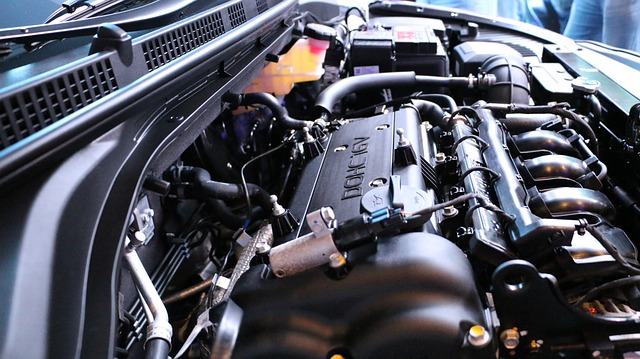
Before you can register your car in California, your vehicle must pass a rigorous DMV inspection process, ensuring it meets safety and environmental standards. A crucial aspect of this preparation is ensuring that your car’s Vehicle Identification Number (VIN) is accurate and accessible for verification. The California Department of Motor Vehicles (DMV) conducts VIN verification as part of their routine inspections to combat odometer fraud and ensure vehicle authenticity. This process has become increasingly digital, allowing for more efficient mobile vin verification and inspection services.
For instance, many professional car registration services now offer mobile vin checkers, enabling you to verify your vehicle’s history remotely before bringing it in for inspection. This technology ensures a seamless experience, especially for those with busy schedules or limited mobility. The accuracy of the VIN data is paramount; any discrepancies could delay the registration process. Therefore, using a reputable mobile vin verifier can help streamline the preparation phase and save you potential headaches down the line.
During the inspection, the DMV technician will cross-reference your car’s VIN with their databases to confirm its identity, history, and compliance with California’s regulations. They’ll check for odometer rollbacks, flood damage, or any other alterations that might compromise the vehicle’s safety or value. It’s beneficial to approach this step with a thorough understanding of your car’s history and documentation, ensuring all records are in order before scheduling the inspection.
Complete the California Car Registration Application

Registering a car in California involves several crucial steps, one of which is completing the California Car Registration Application. This process requires careful attention to detail and documentation. First, ensure that your vehicle meets all state and federal standards by undergoing a DMV VIN verification. This step is essential to confirm the vehicle’s identity and ensure it complies with emission and safety regulations. You can conduct this verification at any California Department of Motor Vehicles (DMV) office or opt for a mobile VIN verification service, which offers convenience by coming to your location.
When filling out the application, accurately document the vehicle’s information, including its make, model, year, and unique Vehicle Identification Number (VIN). The VIN is a critical piece of data used for identification and tracking, so ensure it’s inspected carefully. A mobile VIN inspection service can be particularly useful here, as they provide on-site checks, eliminating the need to visit a DMV. This step ensures that your vehicle’s details are accurate, which is crucial for successful registration.
Additionally, gather all necessary documents, such as proof of ownership, insurance, and identification. These must match the information provided on the application to avoid delays or rejections. Once your application is complete and all required verifications and inspections (including a mobile VIN inspection if needed) are in order, submit it to the DMV along with the associated fees. The DMV will process your request, and upon approval, you’ll receive your official registration documents.
Submit Proof of Insurance and Pay Fees

After completing the initial steps to register your car in California, such as filling out necessary forms and providing proof of ownership, the next crucial phase involves submitting proof of insurance and paying associated fees. This stage is a critical part of the process, ensuring that both you and your vehicle are legally covered and compliant with state regulations.
To begin, you’ll need an active auto insurance policy that meets California’s minimum liability requirements. These standards typically include bodily injury liability of $15,000/$30,000 and property damage liability of $5,000. It’s essential to have this documentation ready before attempting a DMV (Department of Motor Vehicles) vin verification or mobile vin inspection. Many insurance providers offer digital copies of policies, which can be easily accessed through online portals. Some even provide dedicated mobile apps for policyholders to manage their coverage and download necessary documents on-the-go.
When submitting your proof of insurance, whether it’s in paper form or digitally, ensure that the vehicle’s unique Vehicle Identification Number (VIN) is clearly visible. This 17-character alphanumeric code serves as a fingerprint for your car, enabling accurate identification during the verification process. Consider utilizing a mobile vin inspection service to conveniently capture and transmit this critical information. These services, often offered by insurance companies or automotive experts, allow for a quick and efficient VIN verification right from your smartphone, ensuring accuracy and saving you a trip to the DMV.
Perform DMV VIN Verification for Accuracy

To ensure the accuracy of your car’s registration process in California, performing a DMV VIN verification is a crucial step. The Vehicle Identification Number (VIN) acts as a unique fingerprint for your vehicle, providing critical information about its make, model, and history. This verification is more than just a formality; it safeguards against potential fraud and helps maintain the integrity of California’s vehicle registration system.
DMV VIN verification ensures that the details on your car’s registration documents match precisely with the vehicle’s actual specifications. This includes checking the year, make, model, and even identifying any previous owners or accidents reported to the DMV. In California, this process is typically conducted through a mobile vin verification service, allowing you the convenience of getting your vehicle inspected at your location. These mobile vin verifiers capture the VIN from your car’s registration document and cross-reference it with the vehicle’s official records.
For instance, in 2022, California’s DMV reported over 35 million vehicle transactions, emphasizing the need for robust verification methods. A mobile vin inspection service can streamline this process, offering a quick and accurate way to validate your car’s information. This is particularly beneficial when dealing with older vehicles or those with complex ownership histories. By utilizing these services, you not only simplify registration but also reduce potential errors that could lead to delays or fines. Always opt for reputable mobile vin verifier services to ensure the highest level of accuracy and security during your DMV VIN verification.
By following these steps—from gathering essential documents to completing the registration application and verifying your vehicle’s VIN with the DMV—you’ve taken significant strides toward registering your car in California. This process ensures your vehicle is legally compliant, allowing you to hit the road with confidence. Remember, accurate DMV VIN verification is crucial for a seamless experience, so double-check all details before submission. Moving forward, prioritize staying informed about renewal deadlines and insurance updates to maintain your vehicle’s registration status.